
How to Make an Art Portfolio: Your Ultimate Guide
Craft a compelling art portfolio that showcases your unique talent and opens doors to opportunities in art, design, and education.
Start Your Portfolio JourneyKey Takeaways
- ✓ A strong art portfolio is crucial for admissions, jobs, and exhibitions.
- ✓ Quality over quantity is paramount when selecting artwork for your portfolio.
- ✓ Digital portfolios are now the industry standard, but physical portfolios still have their place.
- ✓ Tailoring your portfolio to the specific audience (e.g., art school, gallery, client) is essential.
How It Works
Before selecting any work, understand who you're showing it to and what they're looking for. This will guide your entire selection and presentation process.
Select 10-20 of your strongest, most relevant pieces. Focus on demonstrating a range of skills, mediums, and conceptual depth without including anything subpar.
Photograph or scan your artwork with excellent lighting and resolution. Edit images carefully to accurately represent your original pieces for a professional digital presentation.
Choose a suitable platform (website, Behance, PDF) and arrange your work logically. Include clear titles, dimensions, mediums, and concise artist statements for each piece.
Understanding the Purpose of Your Art Portfolio
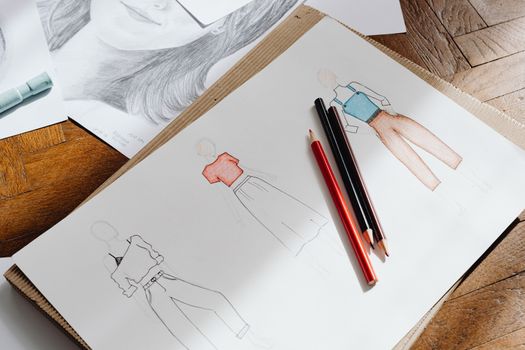 Photo: www.kaboompics.com / Pexels
Curating Your Best Work: Quality Over Quantity
 Photo: George Milton / Pexels
Mastering Digital Presentation: Photography and Organization
Essential Tips for a Standout Portfolio & Common Mistakes to Avoid
Comparison
| Feature | Dedicated Website (e.g., Squarespace) | Online Portfolio Platform (e.g., Behance) | PDF/Google Drive |
|---|---|---|---|
| Customization | High | Medium | Low |
| Professionalism | Very High | High | Medium |
| SEO Potential | High | Medium | Low |
| Cost | Paid Subscription | Mostly Free | Free |
| Ease of Use | Medium | High | Very High |
| Analytics | ✓ | ✓ | ✗ |
| Mobile Responsiveness | ✓ | ✓ | Dependent on viewer |
What Readers Say
"This guide completely demystified the process of how to make an art portfolio. The emphasis on curation helped me cut down my pieces and focus on my strongest work, which I believe made all the difference in my art school applications."
Sarah Chen · Brooklyn, NY"As a freelance illustrator, I struggled with presenting my work cohesively. The tips on digital presentation and writing artist statements in this article were incredibly helpful. My new portfolio has already led to more client inquiries."
Michael Davis · Los Angeles, CA"I followed the advice here step-by-step for my graphic design portfolio. I landed my dream junior designer role after the hiring manager specifically praised the professional quality and clear narrative of my portfolio. Highly recommend!"
Jessica Lee · Austin, TX"The guide provided a solid framework for how to make an art portfolio, especially the section on audience. While some aspects felt a bit advanced for a beginner, the core advice on selecting work was invaluable and significantly improved my presentation."
David Kim · Chicago, IL"I used this article to prepare a portfolio for a local gallery submission. The emphasis on process work really helped me showcase my unique approach to abstract painting, leading to my first solo exhibition. Thank you!"
Emily Rodriguez · Miami, FLFrequently Asked Questions
What is the ideal number of pieces to include in an art portfolio?
Most experts recommend including 10-20 of your absolute strongest and most relevant pieces. The exact number can vary depending on the specific requirements of the institution or client, but prioritizing quality over quantity is always key to making a strong impression.
Do I need a physical art portfolio in addition to a digital one?
While digital portfolios are the standard, a physical portfolio might still be beneficial for certain in-person interviews or gallery showings, especially if your work involves tactile elements. Always check the specific requirements of who you're presenting to.
How do I photograph my artwork professionally without expensive equipment?
You can achieve good results with a smartphone camera. Use natural, diffused daylight (near a window), ensure your artwork is flat and well-lit, and use a tripod or steady surface to prevent blur. Edit for accurate color and cropping using free apps or software.
How much does it cost to create a professional online art portfolio?
Costs vary widely. Free options like Behance or a Google Drive PDF are available. Paid website builders like Squarespace or Adobe Portfolio can range from $10-$30 per month but offer greater customization and professionalism. It's an investment in your career.
Is an art portfolio for art school different from one for a job application?
Yes, significantly. Art school portfolios often look for foundational skills, potential, and diverse exploration, sometimes including observational drawings or process work. Job application portfolios are typically more specialized, showcasing completed projects relevant to the specific role and company's needs.
Who should use this guide on how to make an art portfolio?
This guide is for anyone in the creative field looking to present their work professionally: aspiring art students, emerging artists, freelance designers, illustrators, photographers, and anyone seeking to showcase their artistic abilities for academic, professional, or exhibition opportunities.
Are there risks in sharing my art portfolio online?
While sharing online increases visibility, there are always minor risks of unauthorized use. You can mitigate this by adding watermarks to images, using low-resolution versions for general display, and clearly stating copyright ownership. However, the benefits of exposure usually outweigh these minimal risks.
What are the future trends in art portfolio presentation?
Future trends lean towards interactive, immersive experiences, including 3D models of sculptures, animated GIFs for digital art, and even augmented reality (AR) integrations. Personal branding and storytelling through video artist statements are also gaining traction, making portfolios more dynamic and engaging.
Ready to transform your artistic journey? Use this comprehensive guide to learn how to make an art portfolio that truly reflects your talent and ambition. Start building your powerful visual statement today and unlock new opportunities in the art world.